Facts You Need To Learn About Concrete Leveling: A Comprehensive Overview to Providers
Concrete leveling is a crucial solution that addresses the issues of sunken or uneven concrete surfaces. It plays a significant role in preserving safety and improving the overall look of properties. Comprehending its requirement, determining usual indicators that indicate a requirement for leveling, and discovering numerous strategies can provide important insights. As homeowner consider their alternatives, recognizing what to get out of expert solutions is important for educated decision-making.
Recognizing Concrete Leveling: What It Is and Why It Issues
Concrete progressing, likewise called slab progressing or mudjacking, is a crucial procedure in the repair and maintenance of concrete surfaces. This technique includes raising unequal or sunken concrete pieces to recover their original position and functionality. It is frequently utilized in household, business, and industrial setups where concrete surfaces such as floorings, walkways, and driveways have settled or ended up being misaligned due to soil wetness, disintegration, or temperature variations.
The significance of concrete progressing copyrights on its ability to enhance safety and appearances. Uneven surfaces can posture risks such as tripping risks and can bring about water merging, which may create additional damages. By resolving these issues, concrete progressing extends the life-span of concrete installments and minimizes the demand for total substitute, conserving time and prices. Overall, recognizing concrete progressing is crucial for property owners and home supervisors seeking to keep the honesty and look of their concrete surfaces.
Typical Indications That Your Concrete Requirements Leveling
Identifying the signs that show concrete calls for progressing is essential for keeping safety and capability. Among the most obvious signs is noticeable fractures or gaps in the surface. These fissures can create because of changing or working out soil beneath the concrete. One more indication is uneven surfaces, which may trigger tripping hazards and make strolling tough. Water merging in particular areas can also indicate that the concrete has resolved unevenly, obstructing correct drain. In addition, home windows and doors may come to be difficult or misaligned to open, suggesting that the foundation has moved. Sunken locations, especially around driveways or sidewalks, can further suggest the requirement for leveling. BAM Basements concrete leveling. Finally, persistent sound when walking on the surface might recommend that it is no much longer secure. Recognizing these indicators early can stop much more considerable damages and expensive repairs in the future
Advantages of Concrete Leveling for Your Building
They commonly find that leveling concrete deals numerous advantages when house owners prioritize the stability of their residential property. One significant benefit is improved safety and security. Uneven concrete surface areas can position tripping hazards, particularly for youngsters and elderly citizens. By resolving these problems, homeowners can create a more secure setting.
Concrete progressing can improve the visual allure of a property. Level surfaces add to a much more refined and inviting appearance, which can positively impact home worth. In addition, it avoids water accumulation, decreasing the risk of architectural damages and expensive fixings from water-related problems.
Leveling concrete additionally promotes much easier maintenance, as it enables for better water drainage and avoids the formation of cracks. This positive strategy can save property owners money over time (poly lifting Iowa). Ultimately, spending in concrete leveling not only improves safety and security and visual appeals but also advertises long-term building worth and maintenance performance
Various Strategies for Concrete Progressing
Concrete progressing can be attained with numerous strategies, each with its one-of-a-kind approach and benefits. The mudjacking process, polyurethane foam shot, and using self-leveling compounds are amongst the most usual approaches utilized. Recognizing these techniques is essential for picking the best method for specific leveling needs.
Mudjacking Process Explained
Polyurethane Foam Injection
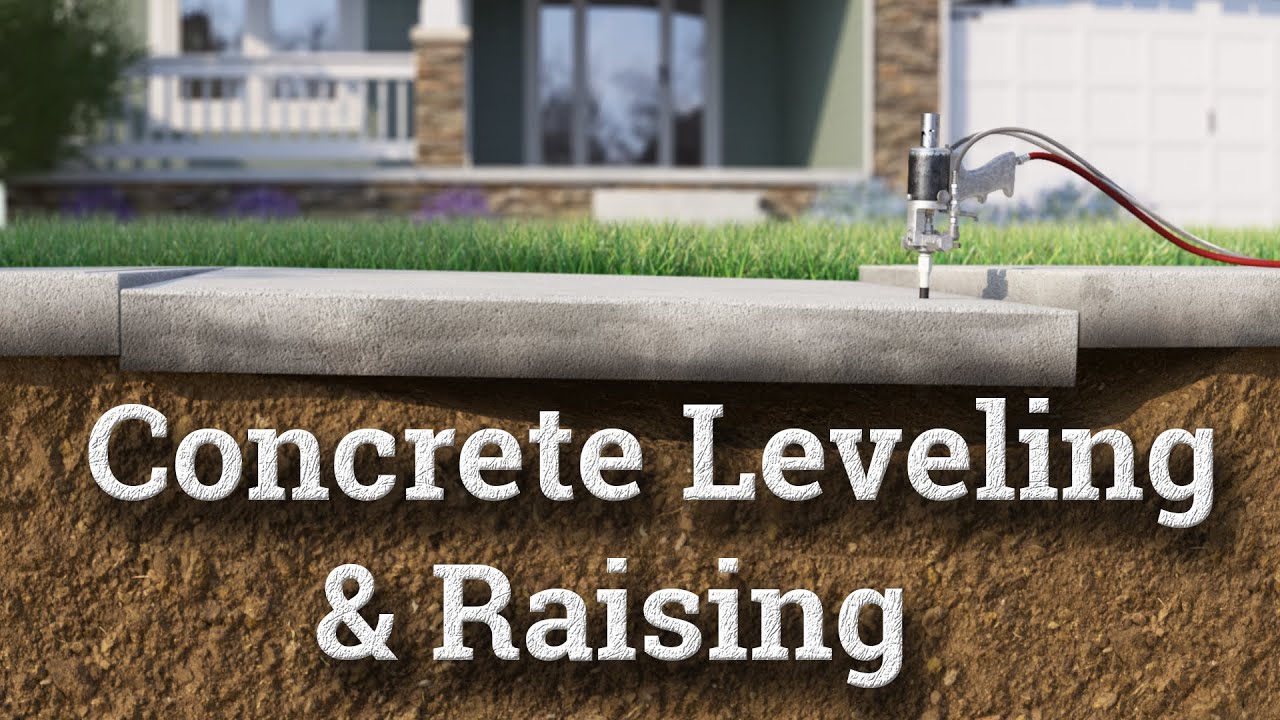
Polyurethane foam shot has emerged as a cutting-edge alternative to traditional mudjacking for concrete leveling. This method uses high-density polyurethane foam that expands upon shot underneath the concrete slab, properly lifting and maintaining it. The process begins with piercing tiny holes into the impacted concrete areas, complied with by the insertion of a nozzle where the foam is infused. As the foam increases, it fills spaces and increases the slab, providing a long lasting service that withstands water penetration and erosion. Furthermore, polyurethane foam shot is light-weight, decreasing the danger of adding additional tension to the underlying dirt. The fast healing time further enhances its appeal, enabling faster task conclusion and minimal disruption to surrounding locations.
Self-Leveling Compound Use
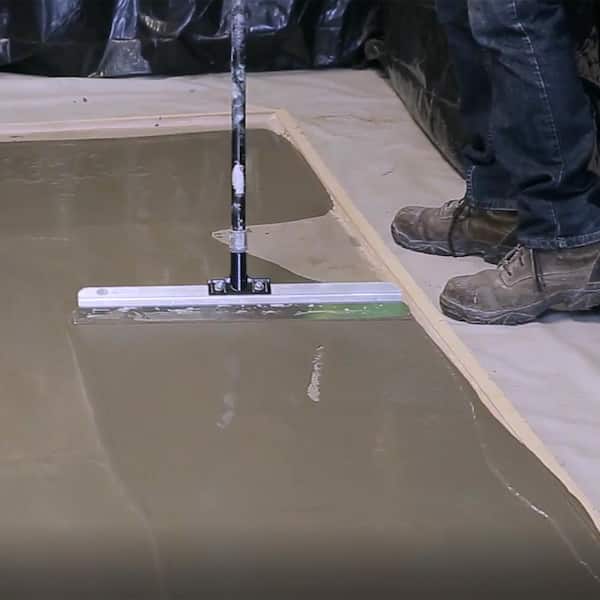
When looking for to attain a smooth and degree surface, self-leveling substances supply a practical service for various concrete applications. These compounds are generally cement-based and developed to stream openly to fill low spots in existing concrete slabs. The application process includes preparing the surface, blending the substance according to producer directions, and putting it onto the flooring - polyjacking services. As soon as used, the substance self-levels as it treatments, creating an even surface area. Strategies for efficient usage include ensuring correct substrate preparation, controlling ambient temperature level, and using devices like a scale rake to help in dispersing. Additionally, self-leveling compounds can be made use of as underlayment for flooring systems, making them functional in both property and commercial jobs
Variables to Consider When Hiring a Concrete Leveling Specialist
When working with a concrete leveling specialist, it is important to examine their experience and know-how in the area. Additionally, understanding the equipment and methods they utilize can significantly influence the top quality of the work. Evaluating these variables will certainly assist assure a successful leveling project.
Experience and Proficiency
Choosing the ideal concrete progressing specialist rest on their experience and know-how in the area. An experienced contractor will certainly have a thorough understanding of various leveling approaches, enabling them to pick the very best strategy for specific scenarios. Experience usually converts right into experience with local guidelines and requirements, guaranteeing compliance during the project. In addition, a specialist can quickly identify underlying problems that might not be promptly apparent, stopping future problems. When evaluating potential candidates, it is necessary to assess their profile and seek client reviews, as these reflect their integrity and high quality of job. Inevitably, hiring a professional with a proven record in concrete leveling considerably raises the possibility of attaining lasting and adequate results.
Equipment and Techniques
A professional's choice of equipment and techniques plays a significant duty in the effectiveness of concrete progressing jobs. Advanced techniques, such as polyurethane foam injection, deal quick and reliable results, while typical mudjacking might be preferable for larger locations. When employing a concrete progressing specialist, customers ought to examine the specialist's experience with different innovations and their capability to pick the suitable approach for details problems. Furthermore, the top quality and upkeep of the devices used can substantially impact the result. It is also crucial to ask about the methods utilized to lessen disruption and guarantee a successful leveling process. Inevitably, an experienced specialist will combine the right tools and techniques to achieve the most effective results for any kind of concrete surface area.
Keeping Your Concrete After Leveling: Tips for Long life
Correct maintenance is necessary for making more information sure the long life of freshly leveled concrete surface areas. To attain this, home owners ought to adhere to numerous essential methods. Initially, it is crucial to enable adequate curing time after leveling; generally, this can vary from a few days to a week, depending upon weather conditions. Throughout this period, maintaining the surface moist can assist protect against splitting.
Routine cleansing is also essential; utilizing a broom or pressure washing machine removes debris and prevents discoloration. It is recommended to secure the concrete every couple of years to safeguard it from water infiltration and chemical damages.
In addition, avoiding heavy traffic and sharp things externally for the initial few weeks will lessen anxiety. Addressing any kind of splits or uneven areas immediately will prevent much more substantial damages in the future. By adhering to these maintenance suggestions, home owners can prolong the life expectancy of their leveled concrete surface areas substantially.
Regularly Asked Questions
For How Long Does Concrete Leveling Generally Take to Complete?
Concrete progressing usually takes a couple of hours to a day, depending upon the location being resolved and the approaches utilized. Elements such as weather condition problems and the level of the progressing called for additionally affect conclusion time.
Is Concrete Leveling a DIY Project or Best Entrusted To Professionals?
Concrete progressing is usually best entrusted to specialists, as the process requires specific tools and competence. Do it yourself efforts might result in poor results, possible security hazards, and more damages to the concrete structure.
What Is the Typical Expense of Concrete Progressing Services?
The ordinary cost of concrete progressing solutions normally ranges from $3 to $25 per square foot, depending upon factors such as the degree of leveling called for, products utilized, and regional pricing variants in the building and construction sector.
Can Climate Issues Influence the Concrete Progressing Refine?
Weather considerably affect the concrete leveling procedure. Extreme temperature levels, moisture degrees, and precipitation can affect the products' healing time and overall efficiency, possibly resulting in endangered results and needing modifications to the leveling method.
How Soon Can I Stroll on Leveled Concrete Surfaces?
Commonly, one can stroll on leveled concrete surfaces within 24 to two days after the progressing process. Nevertheless, complete curing may take several weeks, so it's advisable to follow certain guidelines given by the specialist.
Concrete progressing is a necessary solution that resolves the issues of unequal or sunken concrete surfaces. Concrete leveling, also recognized as slab progressing or mudjacking, is a necessary process in the upkeep and repair service of concrete surfaces. By attending to these problems, concrete progressing expands the life-span of concrete setups and lowers the requirement for full replacement, conserving time and prices. A professional's selection of devices and techniques plays a significant role in the efficiency of concrete leveling tasks. Usually, one can walk on leveled concrete surfaces within 24 to 48 hours after the leveling procedure.